
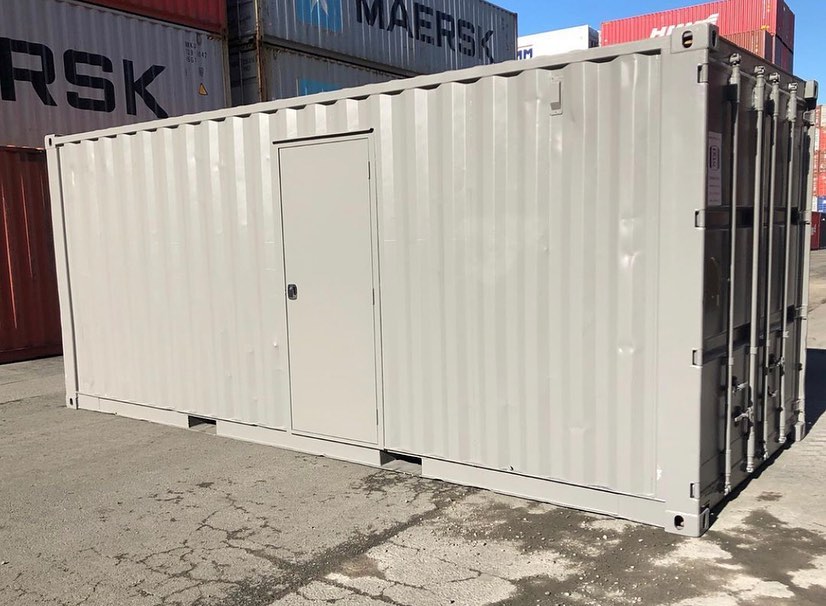
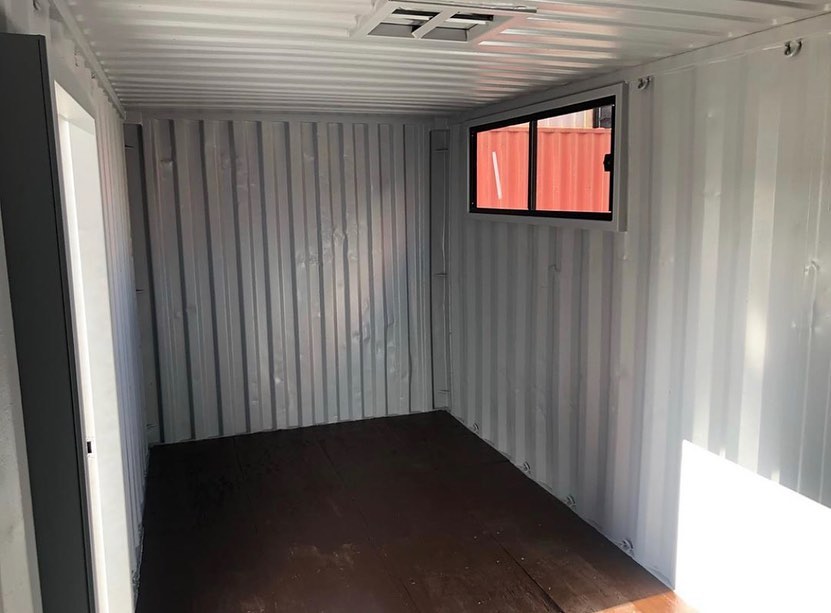
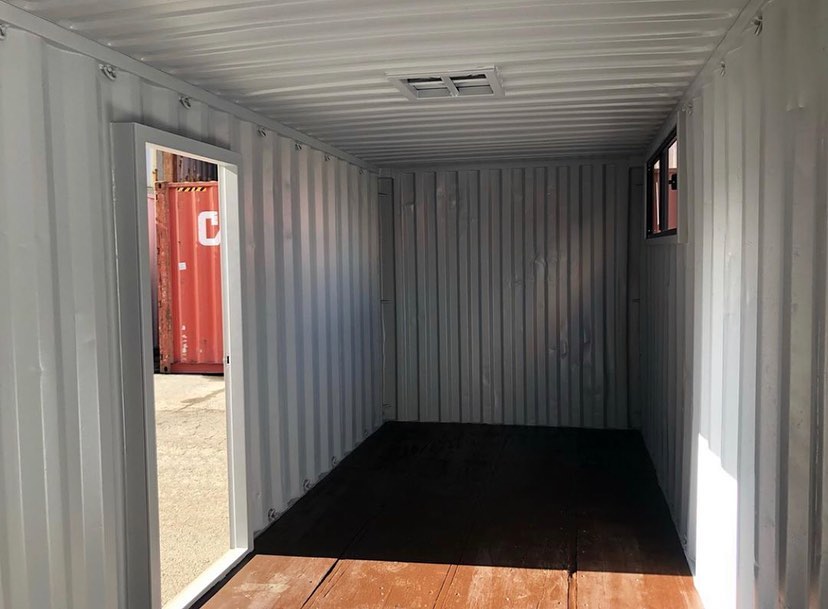
Converting a shipping container into a secure portal or storage solution is a brilliant move. You’re starting with a “heavy-duty steel box” that is literally designed to survive being stacked six high on a ship in the middle of a hurricane.
1. The Secure Portal (Access Control)
If you are using the container as a security checkpoint or a gated entry, the focus is on visibility without vulnerability.
-
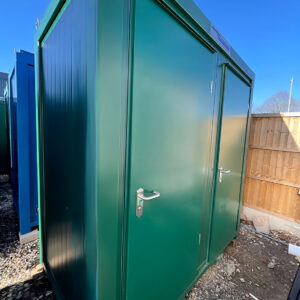
Personnel Doors: Don’t use a standard residential door. Opt for a steel man-door with a steel frame welded directly to the container skin.
-
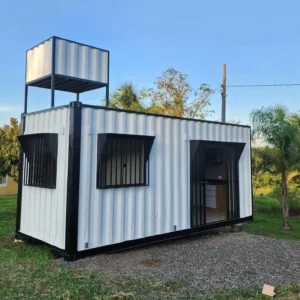
Glazing: If you need windows, use polycarbonate (Lexan) or wired glass. Install steel “burglar bars” or expanded metal mesh over the exterior.
-
Maglocks & Strikes: For high-traffic portals, integrate an electromagnetic lock (maglock) with a 1,200 lb holding force. It’s much harder to pick or bypass than a standard deadbolt.
2. Advanced Storage Security
Standard container doors come with locking rods, but they are surprisingly easy to bypass with a battery-powered grinder or a long bolt cutter.
-
The Lock Box: This is non-negotiable. It’s a steel shroud welded to the doors that prevents bolt cutters from reaching the padlock.
-
Inner Locking Bars: For high-value storage, install an internal “slam lock” or a crossbar that locks from the inside, accessible only via a digital keypad or a high-security cylinder.
-
Heavy-Duty Hasp: Use “puck locks” rather than traditional curved-shackle padlocks; they leave no room for a saw blade or crowbar to get leverage.
3. Structural Modifications
When you turn a container into a portal or storage unit, you have to manage the “Big Three”: Condensation, Heat, and Light.
| Feature | Solution | Why it matters |
| Ventilation | Louvered Vents | Prevents “container sweat” (condensation) from ruining stored goods. |
| Insulation | Closed-cell Spray Foam | Stops the container from becoming an oven in the summer. |
| Lighting | LED Strips + Motion | Bright interior light deters intruders and makes organizing easier. |
4. Grounding and Placement
A secure portal is only as good as its foundation.
-
Concealed Footings: Bolt the container to concrete piers or a slab from the inside. If an intruder can’t see the bolts, they can’t unbolt the “building” and crane it away (a rare but real risk for remote storage).
-
The “Vermin” Barrier: Ensure the container is slightly elevated to prevent the floor (which is usually marine-grade plywood) from rotting and allowing pests or moisture to enter from below
Reviews
There are no reviews yet.